Art BFA, Art & Art History BA & Minors
About this Program
Create your artistic voice through the Art BFA, Art & Art History BA, Art Minor or Art History Minor while exploring diverse studio practices, global art histories and flexible pathways that prepare you for creative careers in the arts and beyond.
Whether you are seeking an immersive studio experience, a flexible interdisciplinary education or the opportunity to complement another major, you’ll find pathways that support your creative and academic goals. Across all programs, you’ll build technical skills in drawing, painting, photo media, printmaking, sculpture and new media while exploring how visual culture reflects and shapes society through global art histories. Hands-on learning extends beyond the classroom through professional studio facilities, museum and gallery visits, exhibitions and engagement with Seattle’s vibrant arts community.
As your interests evolve, these programs provide the flexibility to shape an education that fits your ambitions. You can deepen your expertise in a chosen medium, explore interdisciplinary approaches, add a minor or double major, or pursue creative interests alongside another field of study. Guided by practicing artists and scholars, you’ll graduate with the creative confidence, critical thinking and professional skills to make an impact across a wide range of artistic and creative careers.
Quick Facts
Program Type
Major or Minor
Degree
- Bachelor of Fine Arts
- Bachelor of Arts
- Minor
School
Cornish College of the Arts
Campus
South Lake Union
Learning Format
In-Person
Duration
4 years
Start Date
August, January
Credits
120 semester credits
Find YOUR Creative Path
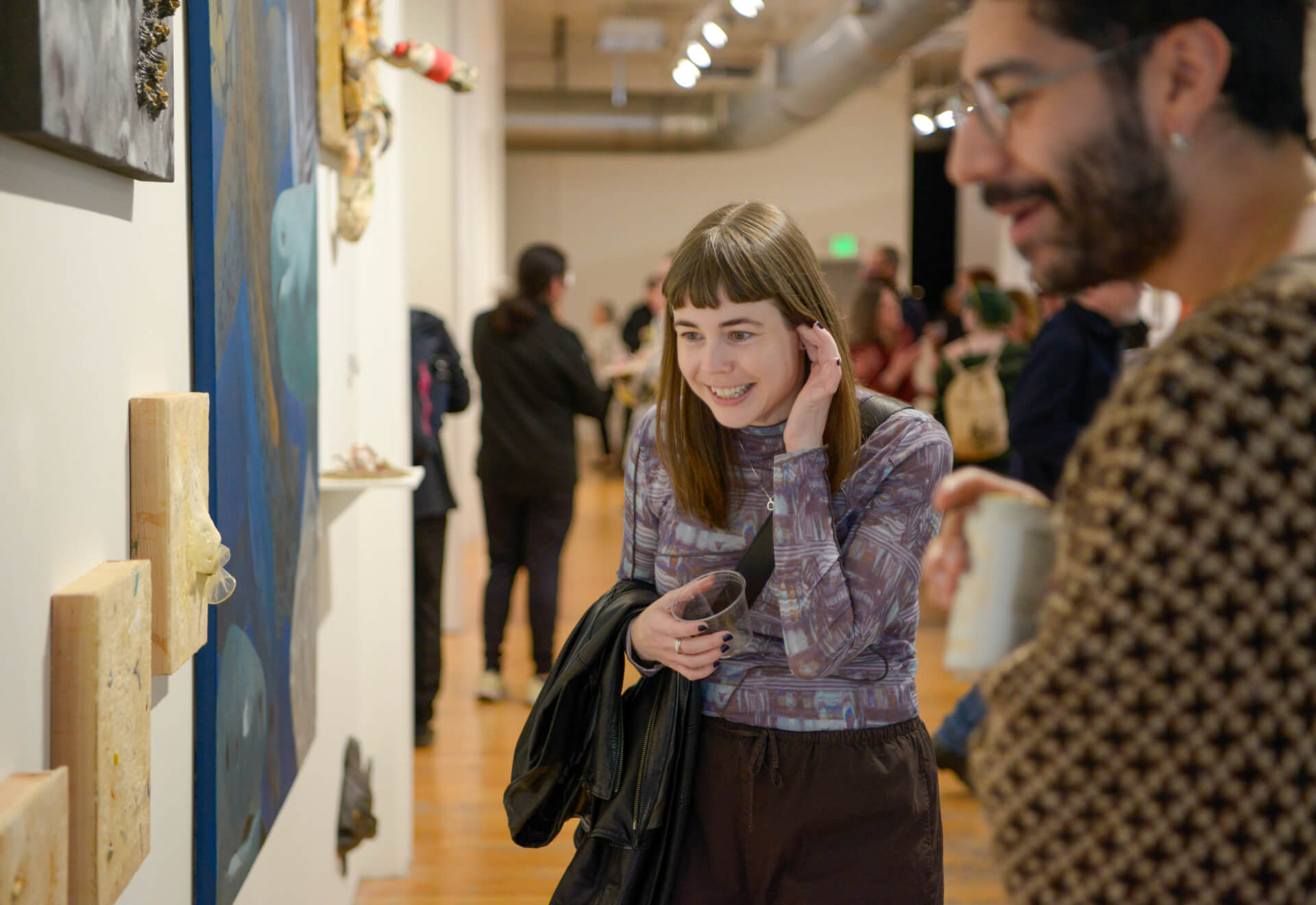
Our Art programs are designed with flexibility in mind. Students can explore different academic and creative paths early in their studies and, if their interests evolve, easily transition between the BFA and the BA without losing progress toward their degree. BA students benefit from the freedom to study across disciplines by pursuing a double major or minors, while students pursuing a BFA receive specialized training. This structure helps you find the program that best supports your artistic and professional goals as they evolve through your course of study.
At a Glance
Choosing a college is about finding the program that best supports your goals. At Cornish, we look for students who are passionate about their area of study and eager to grow.
Art BFA
The Art BFA embraces an experimental approach to technical development and contextual awareness. The flexible format allows you to go deep within a chosen medium or experiment across varied artistic approaches. BFA students can also add a minor in another field within the college or across the university to enhance their visual art studies.
Interdisciplinary year-level studio classes give you the opportunity to develop a supportive cohort of peers while determining your own artistic vision. All BFA students have access to our innovative labs and studios, with 3rd and 4th year students receiving their own dedicated spaces.
The BFA in Art prepares you for creative careers through in-depth exploration of techniques, concepts, and art histories, along with guided experience in mounting professional exhibitions, culminating in our highly respected capstone Thesis Exhibition.
Along the way, you can chart your own path by focusing on a specific medium or combining media in new ways. Our Media Concentrations include:
- Interdisciplinary Art
- New Media (video and digital art)
- Painting
- Photo-media
- Printmaking
- Sculpture
Art & Art History BA
The Art & Art History BA integrates the pursuit of essential artmaking skills with an exploration of art history, developing your artistic vision and scholarly voice. Two concentrations let you emphasize the study of artmaking techniques or the study of art history, with both options providing a blend of creative and art historical practices.
Like the BFA, the BA in Art & Art History allows you to hone your artistic skills across a range of mediums, including drawing, painting, photography, printmaking, sculpture, and new media (video/digital art). You will also choose from global art history courses that center critical topics, research skills, and innovative educational approaches.
In distinction from the BFA, the BA in Art & Art History is more flexible, giving you the opportunity to take additional courses in either concentration or outside of the department, or to double-major. It also offers clear and accessible entry for transfer students.
Art Minor
Minoring in art encourages both focused and exploratory interests in forms such as drawing, painting, printmaking, photography, sculpture and new media; you can also combine media according to your interests. A minor in Art provides unique skill building with access to Cornish’s innovative studios and tools, as well as contextual thinking through art history courses, easily becoming a valuable complement to another major or field of study. Creative problem-solving and critical thinking are some of the most sought-after skills in today’s job market.
Art History Minor
The Art History Minor engages you in the study of art history through a variety of critical and topical lenses. Art History builds strong analytical and writing skills, along with the crucial ability to understand artistic practice within cultural and historical contexts. This training complements study in a wide variety of fields from the sciences to the humanities and develops abilities in communication and interpretation that are so necessary for many careers.
Core Skills & Techniques
- Deeply pursue individual mediums – such as Drawing, Painting, Printmaking, Photography, Sculpture and New Media.
- Collaborate with artists and discover practices across the college and university. Explore a variety of digital and traditional media to create a solid foundation for further exploration
- Flexible course requirements allow students to explore classes in other majors to build upon their artistic practice
- The program emphasizes critical thinking, creative experimentation, and professional development.
- Develop professional and applicable skills to support a life-long creative practice and a variety of careers in the arts
Learning Outcomes
Upon successful completion of the Art BFA, you will be able to:
- Demonstrate proficiency with the tools, techniques, and methods in one or more artistic disciplines
- Produce and install an individual, research-based body of work in a public exhibition
- Contextualize art practices (including your own) within cultural, historical, and socio-political frameworks
- Communicate complex ideas about the relationship between form and content verbally, visually, and in writing
- Develop professional practices needed for graduate studies or a sustainable career
Upon successful completion of the Art & Art History BA, you will be able to:
- Demonstrate a facility with the tools, techniques, and methods of your concentration (art or art history)
- Produce an individual, research-based project or exhibition suitable for a chosen career path
- Contextualize art practices (including your own) within cultural, historical, and socio-political frameworks
- Communicate complex ideas verbally, visually, and in writing.
- Identify professional practices needed for graduate studies or a sustainable career
Connect Your Passion to New Possibilities
Explore purposeful academic combinations while pursuing a rigorous arts education to enhance your career preparation. At Seattle University, you can combine an Art & Art History BA with a wide variety of other majors or add any minor while staying on track to graduate in four years. You can also customize an Art BFA by pursuing any minor offered across Seattle University without extending your time to degree.
While this is not an exhaustive list, explore some of the many ways Art can be paired with other disciplines to enhance your academic journey and strengthen your professional preparation:
- Art & Art History BA + 3+3 Accelerated Law Pathway
- Art & Art History BA + Marketing BABA
- Art & Art History BA + Film & Media BA
- Art & Art History BA + Animation BA
- Art & Art History BA + Design BA
- Art & Art History BA + Illustration BA
- Art & Art History BA + Nonprofit and Public Administration Minor
- Art & Art History BA + African & African-American Studies Minor
- Art & Art History BA + International Studies BA
- Art & Art History BA + Women, Gender, and Sexuality Studies BA
- Art & Art History BA + Economics BA
- Art & Art History BA + English BA
- Art & Art History BA + Philosophy BA
Explore Facilities
Create with confidence in professional spaces that encourage experimentation, collaboration and artistic exploration.
Visual Art Spaces
Build your creative practice in professional studios, shops and galleries equipped with the tools and spaces you need to experiment, collaborate and bring your artistic ideas to life.
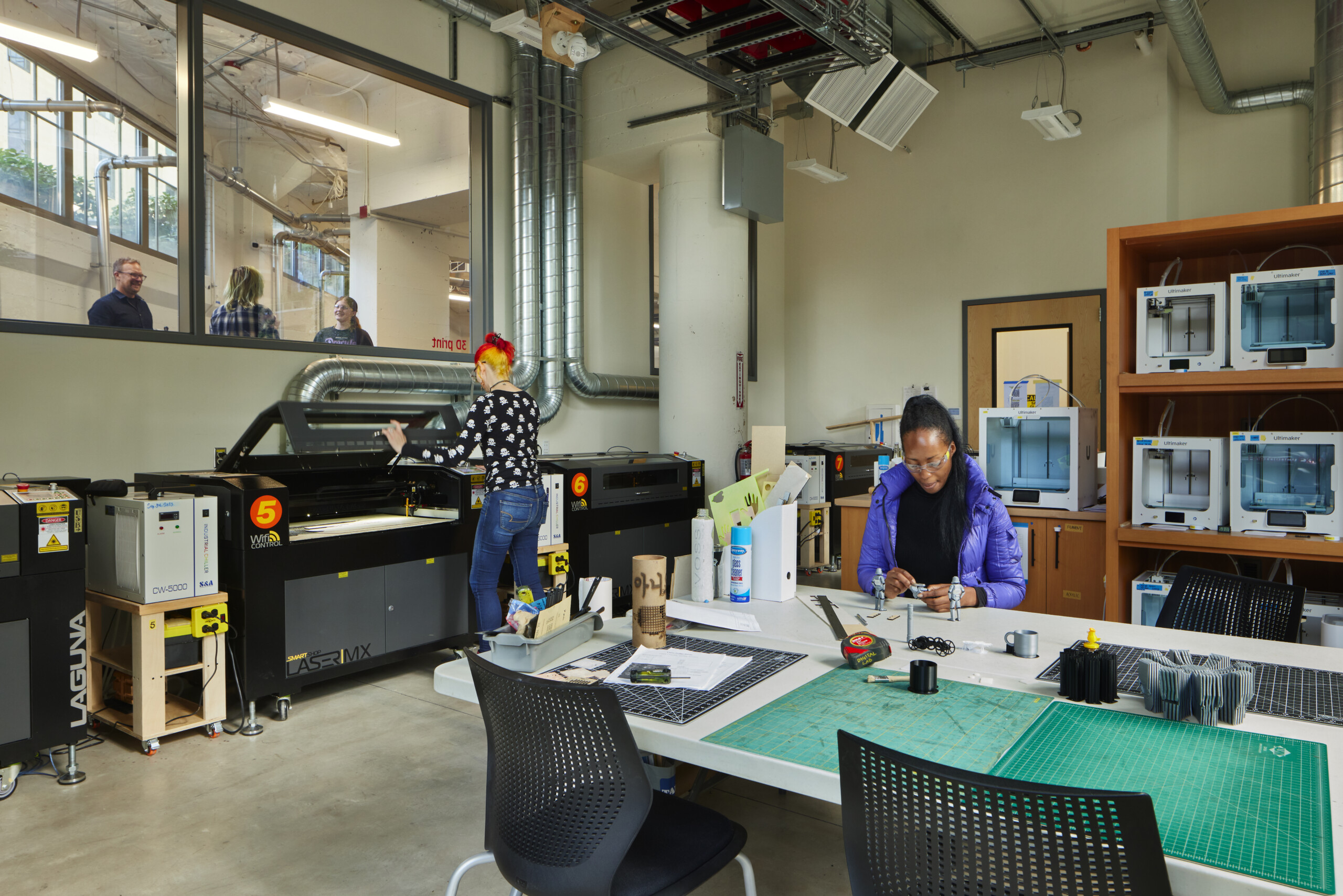
Jon and Mary Shirley Fabrication Studio
Create across disciplines in a fabrication studio equipped for wood, metal, ceramics, casting, laser cutting, 3D printing, CNC milling and collaborative art-making.
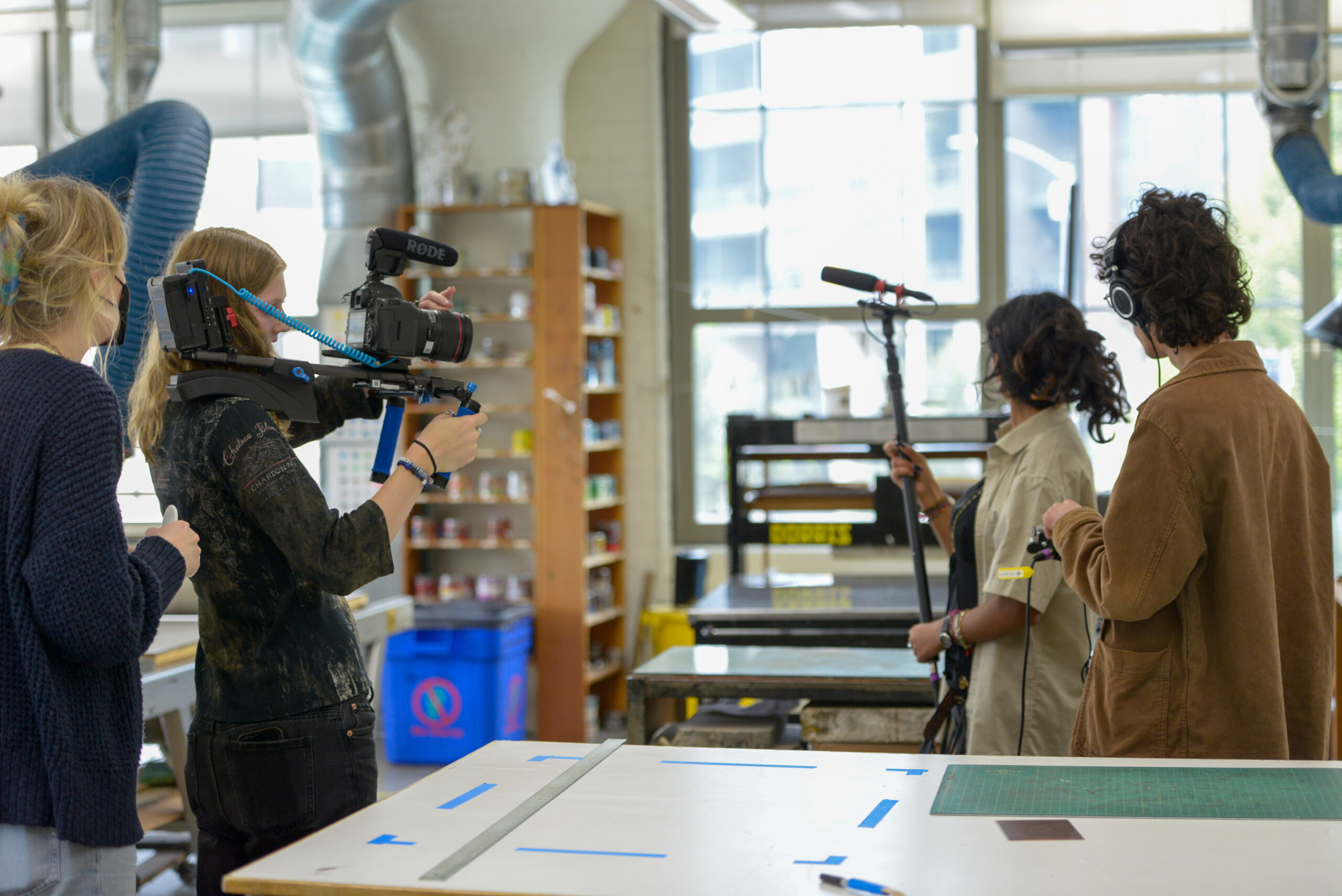
Fabrication StudioMultimedia Checkout Center
Borrow professional-quality cameras, lighting, audio, film and photography equipment through MCC², giving you access to the tools you need to bring your creative projects to life.
Visit Cornish College of the Arts
For more than a century, Cornish College of the Arts has inspired artists, performers and designers to push creative boundaries and shape the future of their fields. Today, at Cornish College of the Arts at Seattle University, you can experience that legacy firsthand while exploring the studios, performance spaces and collaborative community where creativity comes to life. Schedule a campus visit, take a virtual tour or connect with our admissions team to discover how you can make this historic creative community your own.
Art Faculty + Staff
Dedicated to mentoring the next generation of creatives, Cornish faculty combine extensive professional expertise with a passion for teaching students how to develop the skills, confidence and vision to succeed in the arts.