Design BFA, BA & Minor

Design BFA, BA & Minor

About this Program

Build creative, technical and critical thinking skills through the Design BFA, Design BA or Design Minor. Explore hands-on design practice, research, brand identity, publication design and systems thinking while creating purposeful, impactful work.

Cornish design degrees are structured in two phases to hone your craft in design: two years of foundational instruction followed by two years of self-directed study. You can choose your specialty and build your portfolio to ensure you are well prepared for the industry.

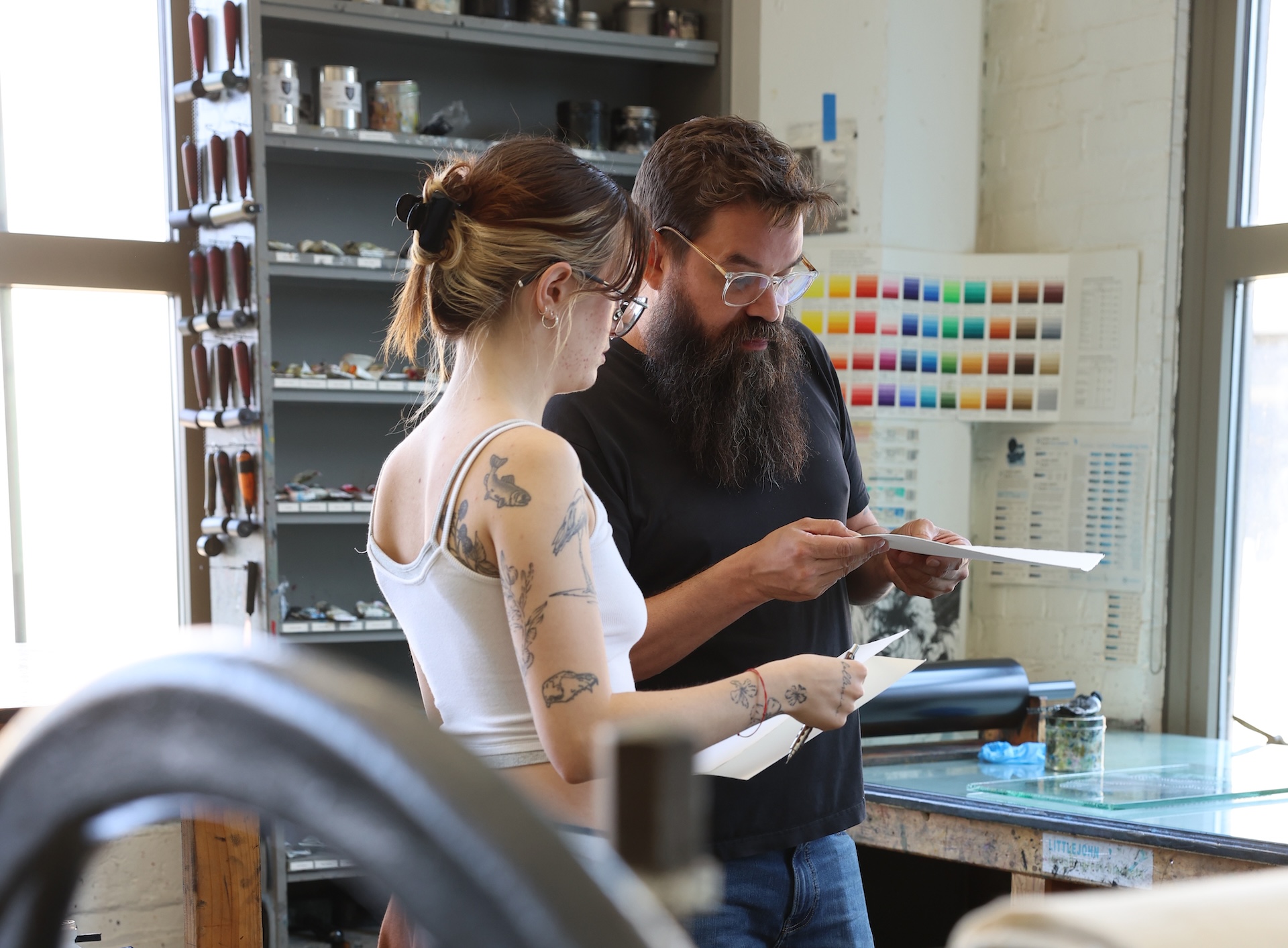
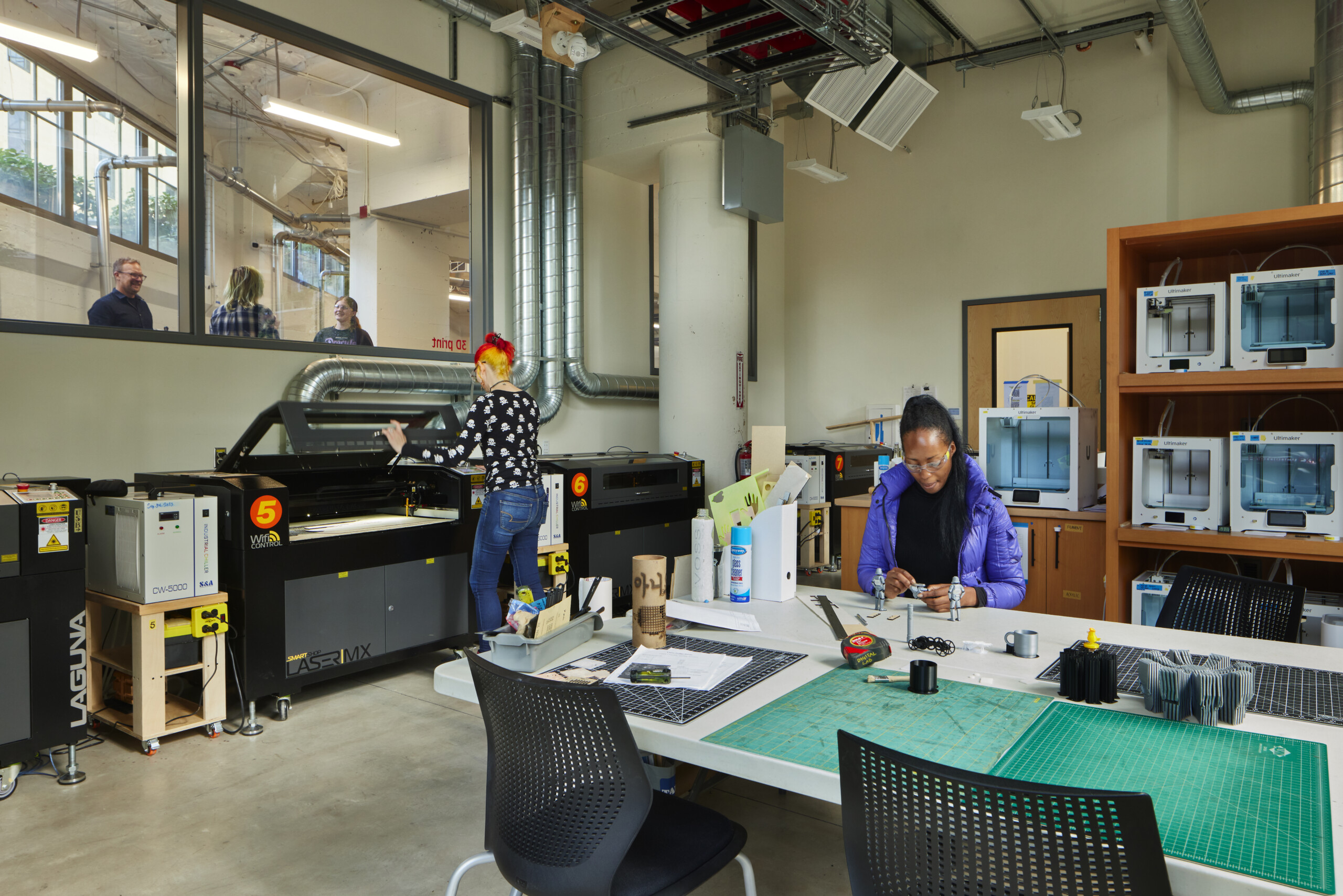
You will develop expertise in industry-standard software, including the Adobe Creative Suite, Figma, and emerging technologies. Our program also includes access to facilities for printing and book binding, materials labs (laser cutting, 3D printing, woodwork, digital, photography, etc.), painting and drawing studios, sculpture studios, and the Multimedia Checkout Center, enabling you to innovate and create across many disciplines. You will also actively practice publication design and in-house production.

Cornish teaches you to see clearly, ask hard questions, and design with purpose. Using critical research skills, you will work with actual clients to address tangible problems and generate authentic impact. And because curiosity is the designer’s most vital asset, our curriculum centers systems thinking and analysis, focusing on academic and design research, brand identity development, publication design, sustainability, social justice and community awareness.

Loading...

Quick Facts

Program Type

Major or Minor

Degree

  • Bachelor of Fine Arts
  • Bachelor of Arts
  • Minor

School

Cornish College of the Arts

Campus

South Lake Union

Learning Format

In-Person

Duration

4 years

Start Date

August, January

Credits

120 semester credits
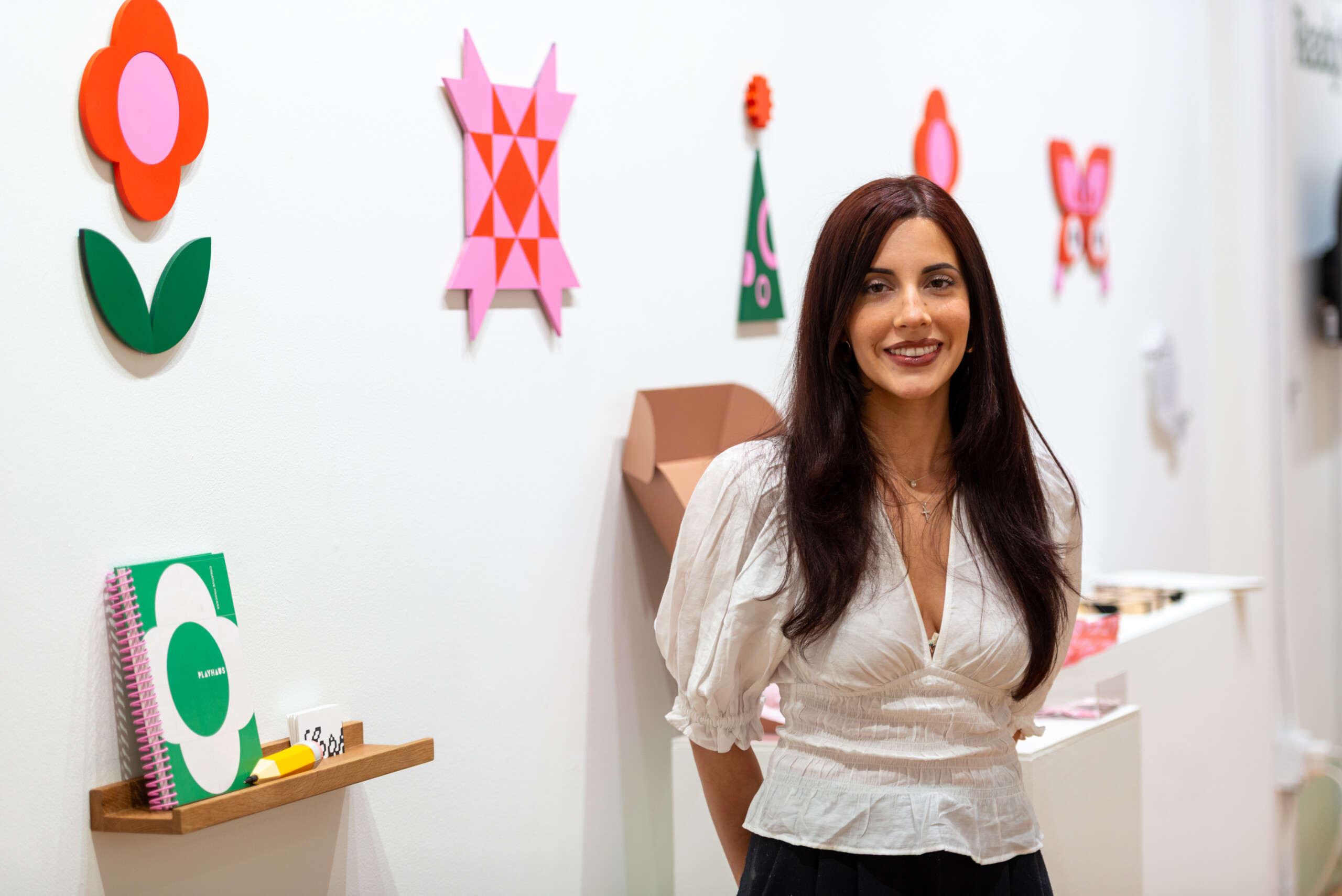
At a Glance

Choosing a college is about finding the program that best supports your goals. At Cornish, we look for students who are passionate about their area of study and eager to grow.

Design BFA

The Design BFA offers an intensive, studio-based experience that helps you develop advanced technical skills and a strong creative practice. During your first two years, you’ll build technical literacy, refine your craft and workflow skills, and develop a systems-thinking approach to design. In your final two years, you’ll shape your own path by taking advanced studio and Design and Visual Communication courses each semester. You’ll complete your degree by bringing together your technical expertise and critical thinking in a capstone project and solo exhibition that showcases your growth as a designer.

If you decide you’d like to move from the Design BA to the Design BFA, you’ll have the opportunity to apply through a portfolio review, typically held at the end of your sophomore year. Because the Design BFA is an intensive, studio-based degree that culminates in a solo gallery exhibition, admission is determined by a formal review of your portfolio by the design faculty.

Design BA

The Design BA gives you the flexibility to combine visual communication with other academic interests across Seattle University. You’ll explore design theory alongside your chosen field of study while building your skills through hands-on workshops, thoughtful critique and creative collaboration in an inclusive environment. Along the way, you’ll develop the visual literacy, critical thinking and problem-solving skills to address today’s communication challenges with confidence and purpose.

If your interests evolve and you’d like a more flexible, interdisciplinary academic experience, you can transition from the Design BFA to the Design BA at any time by working with your academic advisor.

Design Minor

If you’re pursuing a different major, a Design Minor is a great way to strengthen your creative and visual communication skills. You can also choose the Interaction (UX) Design Minor to explore user experience design and build the skills needed to create thoughtful, engaging digital experiences.

Core Skills & Techniques

  • Design Fundamentals: Cornish curriculum balances analog and digital workflows, typography, image-making, composition, narrative development, motion design, drawing and interaction.
  • Project-Based Curriculum: Through individual and collaborative portfolios, you will create brand identities, print and digital publishing (books, magazines, and zines), packaging, websites, mobile apps, record covers, experience design, exhibition spaces and targeted graphics for social activism.
  • Critical Studies: Design history, theory and ethics are the backbone of the Cornish program. Unlike many design programs, our curriculum is shaped around intellectual critique. You will practice making informed, intentional, conceptual and aesthetic choices. Our lectures, academic research and guest workshops introduce and critique the stories and theories of design’s past, offering you the tools to think critically about its present.
  • Social Engagement & Activism: You are encouraged to look outward, engaging with questions of social responsibility, persuasion, and propaganda while working directly with local, community-identified initiatives.
  • Professional Practices: Cornish focuses on career readiness and strategic portfolio curation. In our Design Agency course, you prepare your post-Cornish plan—conducting targeted industry research, sharpening your unique visual identity and formatting a portfolio tailored to the exact kind of work you want to pursue.
  • Industry Partnerships: Design is a listening art before it is a problem-solving art. To cultivate authentic client relationship skills, you will engage in collaborative studios, local internships, site visits and industry partnerships that foster lifelong professional networks.
  • Synthetic Technologies & Spatial Systems: As technology evolves, our instructional opportunities evolve with it. You will have access to experimental coursework in co-authoring with synthetic intelligence, building spatial simulations and mastering generative workflows.
  • Printmaking & Traditional Media: Cornish celebrates hybridity. You will have the opportunity to combine printmaking, bookbinding, letterpress, laser cutting and 3D printing with digital layouts and risograph production to create rich, mixed-media design.

Learning Outcomes

Design BFA Learning Outcomes

  • Produce a design that meets the needs of a specific audience.
  • Synthesize theory and research to inform the design process and its outcomes.
  • Demonstrate analog and digital skills at current professional standards.
  • Devise human-centered, equitable design solutions for a community partner.
  • Compile a capstone project, a capstone exhibition and professional design portfolio suitable for your chosen career path.

Design BA Learning Outcomes

  • Produce a design that meets the needs of a specific audience.
  • Synthesize theory and research to inform the design process and its outcomes.
  • Demonstrate analog and digital skills at current professional standards.
  • Devise human-centered, equitable design solutions for a community partner.
  • Compile a professional design portfolio suitable for your chosen career path.
Degree Combinations

Connect Your Passion to New Possibilities

Explore purposeful academic combinations while pursuing a rigorous arts education to enhance your career preparation. At Seattle University, you can combine a Design BA with a wide variety of other majors or add any minor while staying on track to graduate in four years. You can also customize a Design BFA by pursuing any minor offered across Seattle University without extending your time to degree.

While this is not an exhaustive list, explore some of the many ways Design can be paired with other disciplines to enhance your academic journey and strengthen your professional preparation:

Around Campus

Explore Facilities

Create with confidence in professional spaces that encourage experimentation, collaboration and artistic exploration.

Visual Art Spaces

Build your creative practice in professional studios, shops and galleries equipped with the tools and spaces you need to experiment, collaborate and bring your artistic ideas to life.

Jon and Mary Shirley Fabrication Studio

Create across disciplines in a fabrication studio equipped for wood, metal, ceramics, casting, laser cutting, 3D printing, CNC milling and collaborative art-making.

Fabrication Studio

Multimedia Checkout Center

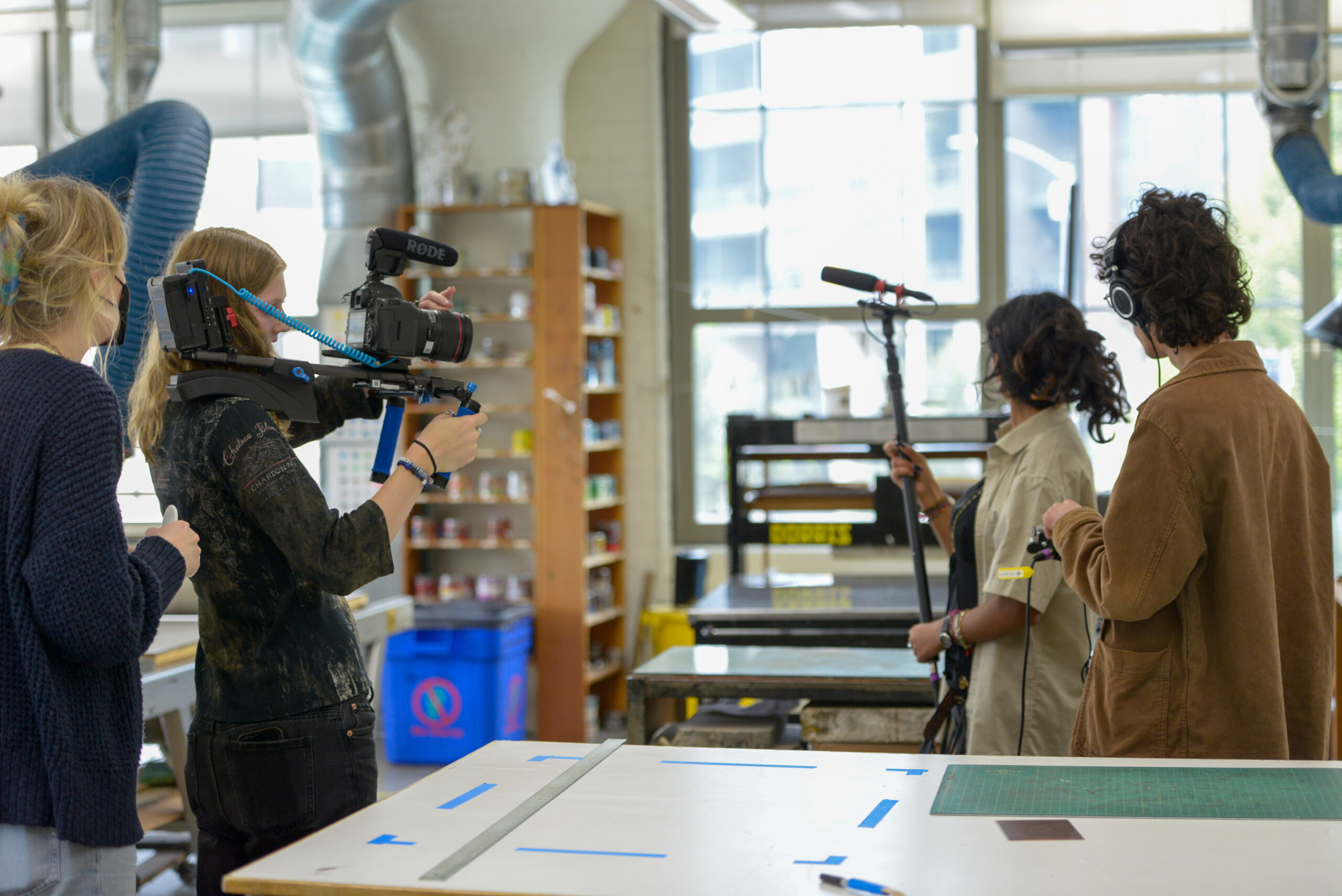
Borrow professional-quality cameras, lighting, audio, film and photography equipment through MCC², giving you access to the tools you need to bring your creative projects to life.

List of Faculty Members

Design Faculty + Staff

Dedicated to mentoring the next generation of creatives, Cornish faculty combine extensive professional expertise with a passion for teaching students how to develop the skills, confidence and vision to succeed in the arts.

Art | Design
Academic Program Coordinator – Art & Design Departments
Design
Adjunct Faculty
Design | Animation | Film
Full-time Instructor
Design
Adjunct Faculty
Cornish Faculty Diane Lee
Design
Adjunct Faculty
Design
Adjunct Faculty
Design | Interaction (UX) Design
Adjunct Faculty
Design
Adjunct Faculty
Design | Illustration
Professor
susan boye faculty
Design | Illustration
Adjunct Faculty
design faculty
Design | Interaction (UX) Design
Associate Professor, Department Chair
Design Faculty
Design
Associate Professor
natalia illyn faculty
Design
Professor
Ozge Sade Mete headshot
Design
Adjunct Faculty
Design
Professor
Design
Adjunct Faculty
Design | Illustration
Instructor
David Lasky Headshot
Design | Illustration
Adjunct Faculty
Design
Adjunct Faculty