Art Department
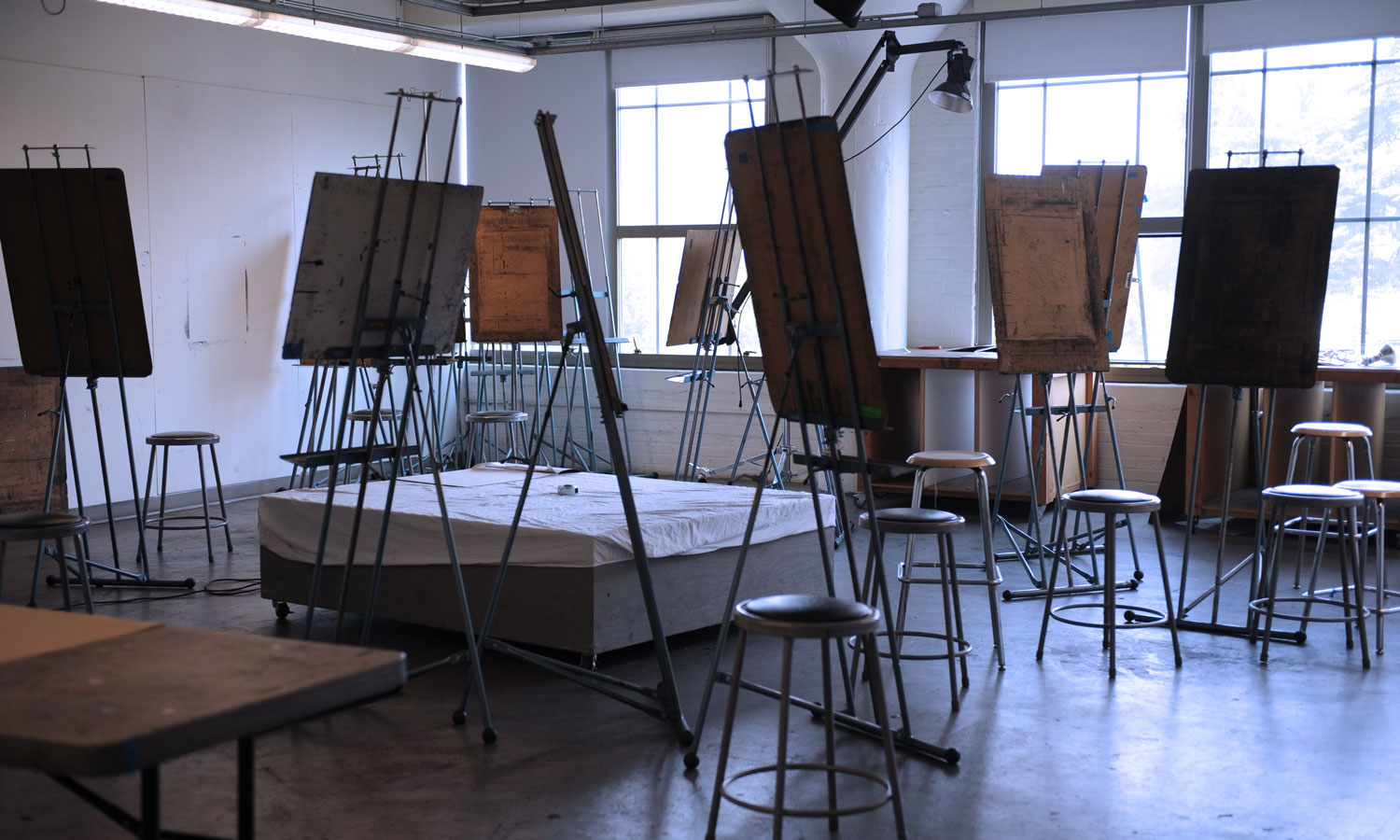
The philosophy of the Art Department centers on experimentation and the development of the individual student's artistic voice. To foster creative risk-taking and individualism, we focus on three areas of knowledge: conceptual-imaginative development, technical proficiency, and history/theory.
The curriculum is designed to cultivate the development of a personal aesthetic/critical sensibility and technical skill, while providing an education that generates as many postgraduate options as possible. Espousing no mandated aesthetic approach, we promote active investigation, experimentation, and self-reliance in a supportive, yet critical, atmosphere.
All Art majors follow a single degree program, leading to a Bachelor of Fine Arts (BFA) degree within two of five concentrations chosen by the student: Painting, Photography, Print Art, Sculpture, and Video Art. The core curriculum is designed to encourage students to examine both traditional and contemporary ideas and processes within and across these areas. Coursework in drawing and art history/theory is woven through the curriculum as necessary complements to the entire program.
Concentrations
Painting
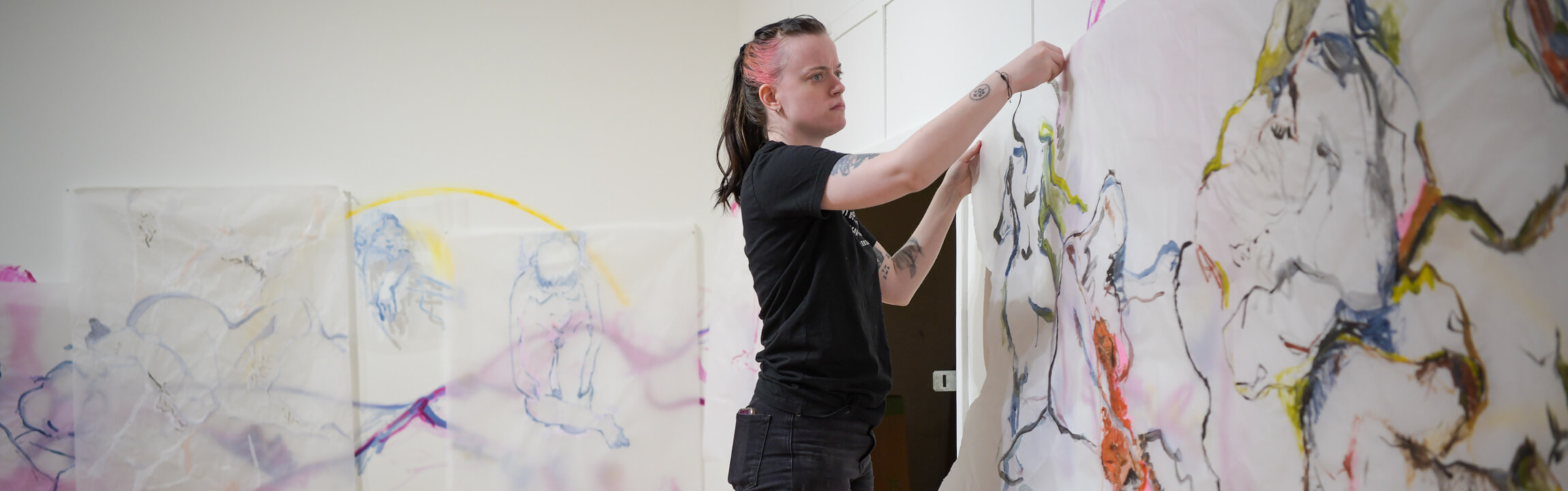
The Painting Program teaches a variety of media, including oils, water-base media like acrylics, as well as mixed media and alternative formats.
These paint media are taught along with the concurrent development of visual and formal skills and content, including both imagistic and abstract approaches. Within the context of this training, we provide the freedom for students to develop their individual voices with traditional or non-traditional points of view.
Photography
The Photography Program includes black and white, silver based processes, alternative and non-silver processes, small to large format camera techniques, field and studio lighting experience (in our combined natural and artificial lighting studio), photographic art history, critical theory, and special topic electives.
The program emphasizes a rigorous learning of craft and an aesthetic awareness that supports both innovative and conceptual exploration as well as traditional approaches to the medium. Students are encouraged to research, explore, and initiate work that reflects their personal creative vision.
Print Art
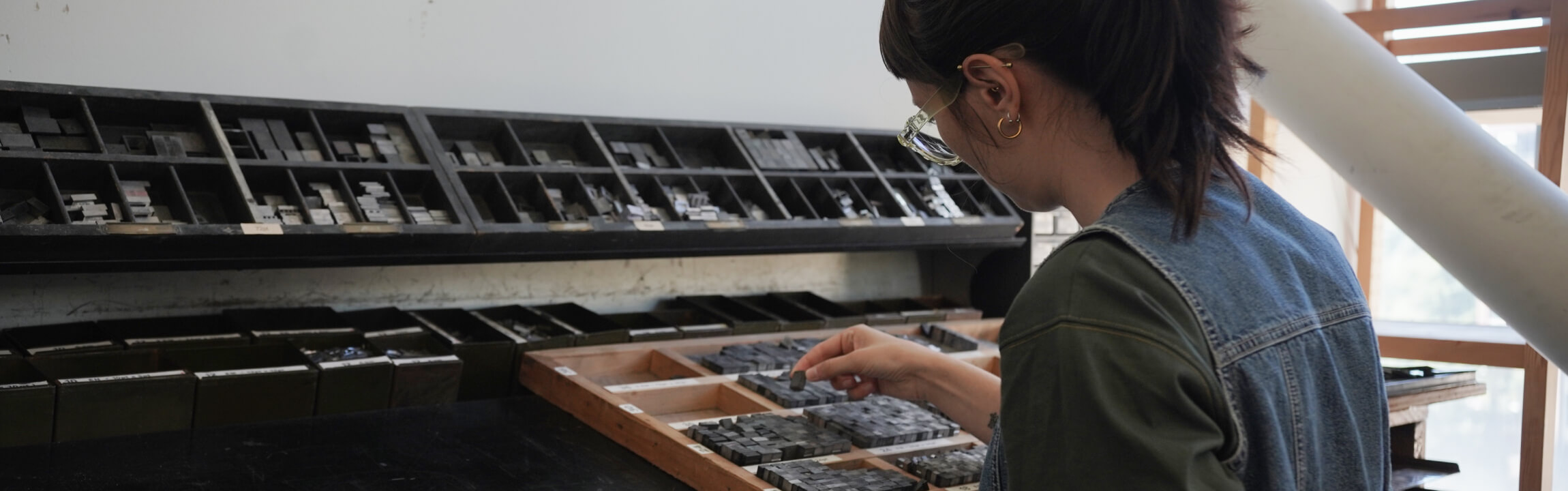
The Print Art Program is devoted to works on paper and prints and designed with a worldview.
Students explore through their own images the various Western techniques in intaglio, lithography, monoprint as well as sosaku-hanga (the Japanese woodcut technique where printing is done with water-based pigments). The aim of the course of study is to expand the repertoire of visual languages available to the student, to encourage direct invention in this medium, and to foster a method of thinking artistically through the making of original prints. Students are encouraged to integrate both traditional methods and contemporary innovations in their work.
The Mary Alice Cooley Print Collection, a collection of student work accumulated over 20 years, contains over 200 original prints and reveals the quality and diversity of work produced by Cornish students. This growing collection is integral to the Print Art curriculum for study and research.
The Cornish Print Art Program was a recipient of a traditional Japanese papermaking vat, suki fune and screen from Mino City, Japan and has integrated both traditional Japanese papermaking and Western papermaking into the Program as a special topic study. Students also have access to the Print Art Studio Paper Collection for study and research.
Sculpture
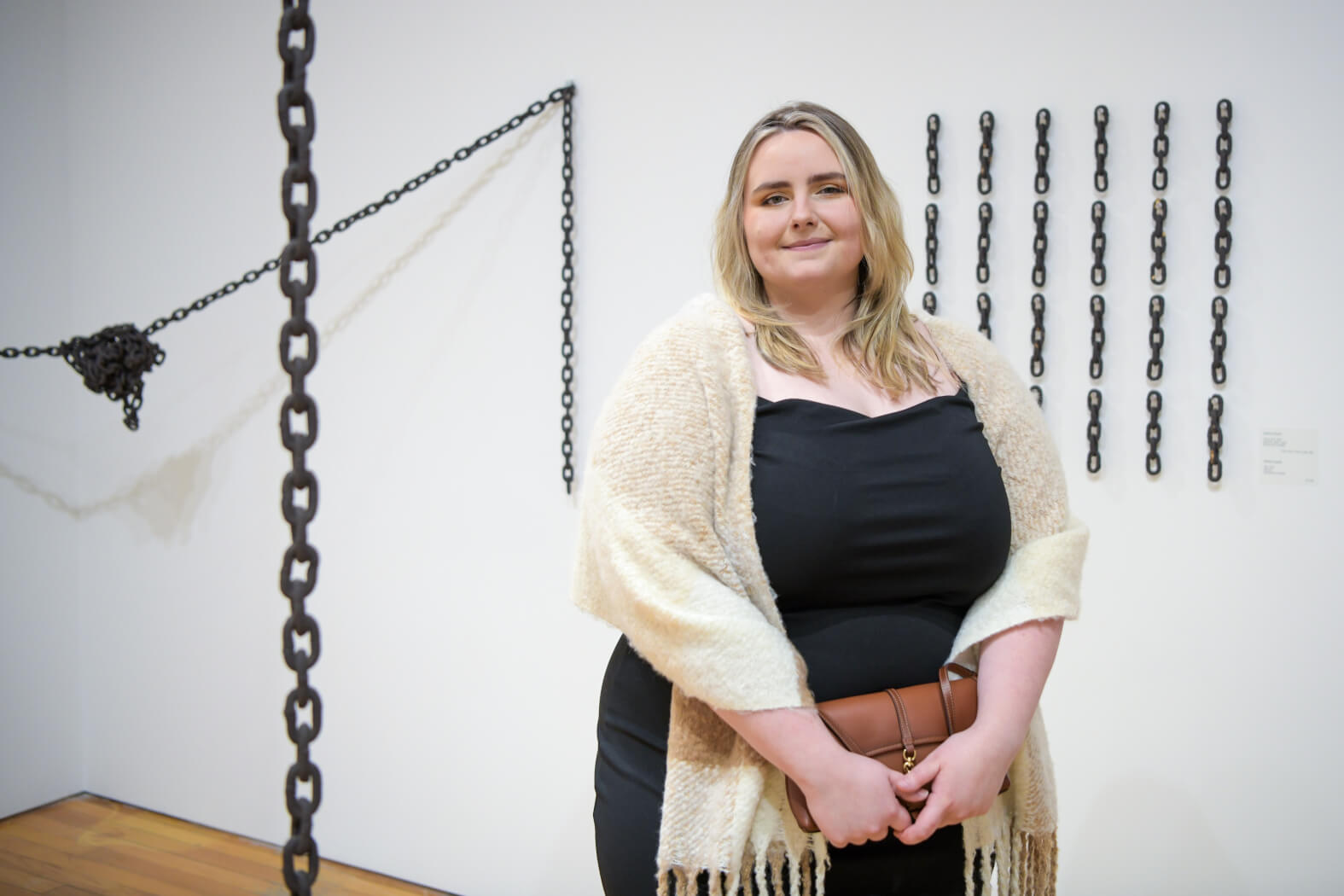
The Sculpture Program is a concept-based studio program driven by contemporary art theory and practices.
The curriculum promotes a personalized visual inquiry that employs a wide range of material and process solutions, as well as exploring community experience. Course work includes basic skill development, experimentation, research, rigorous critique and group process. Students are asked to explore their potential by developing intelligent creative expressions that can be a dynamic part of the cultural dialogue.
Sculpture Studio course work begins in the sophomore year by building on the Foundations Program's introduction to working in multiple dimensions. Students engage with concept-generated projects while gaining command of specific sculptural techniques and processes by mould making and multiples, wood work (including power tools), and metal processes (including welding). Sophomores also begin experimentation with a range of alternative materials and process that support current practices in contemporary art.
During the junior year, Sculpture students are introduced to concepts revolving around the decentralized object, installations, site specificity, and performance, as well as extending sculptural materials to include light, sound, motion and the environment.
The senior Sculpture Studio experience focuses on self-directed projects leading towards the BFA exhibit. Seniors engage in personalized research of sculptural concepts in support of the development of their Senior Project. Individual student tutorials and guidance are given bi-weekly in their senior studio workspace.
The Sculpture Studio also supports hybrid forms of sculpture with video, print, photo, painting and drawing.
Video/Digital Media
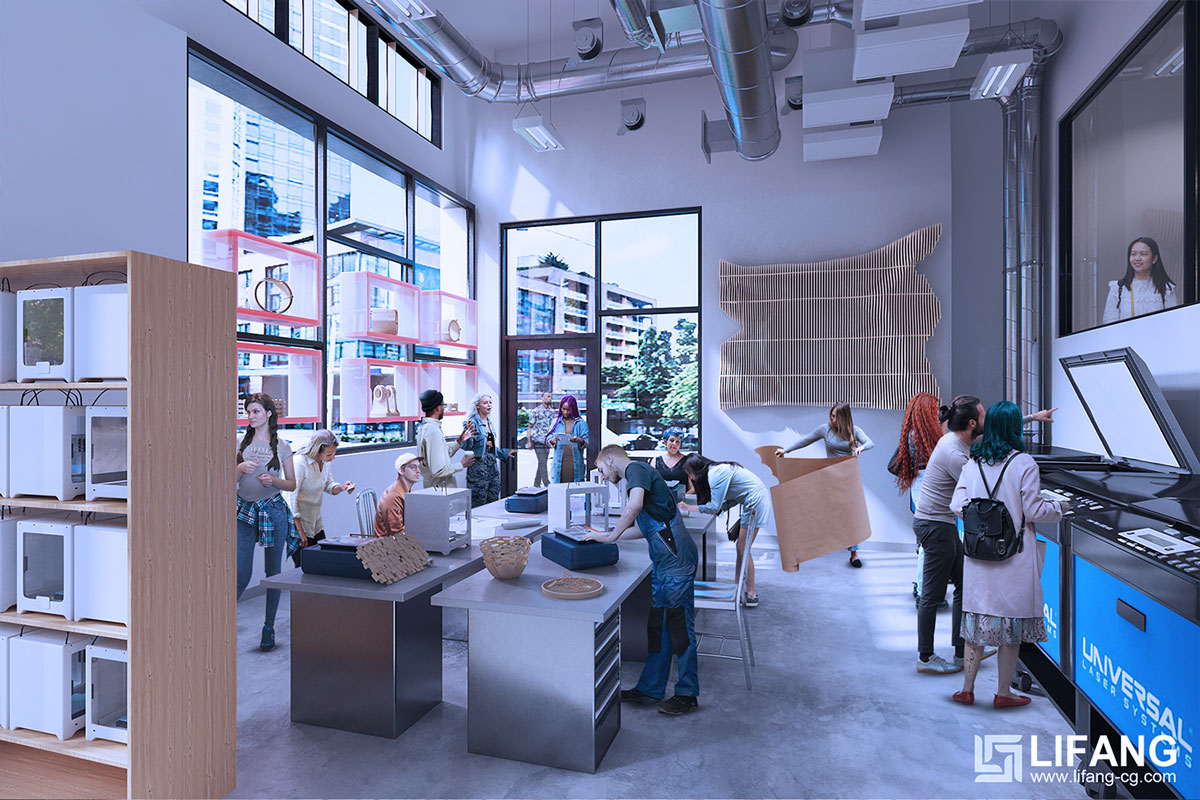
The Video/Digital Media Program is a series of studio courses in the practical, conceptual and theoretical aspects of all time-based art, which includes video, sound design, animation, image-sequencing and compositing.
Students investigate every aspect of digital art production and post-production. Experimentation and conceptual originality are encouraged through rigorous assignments, projects and group critiques. In addition to the core studio classes, electives in video installation, alternative digital imaging processes, digital photography and a survey of experimental cinema may be included.